
Luba-Katanga Language - 244
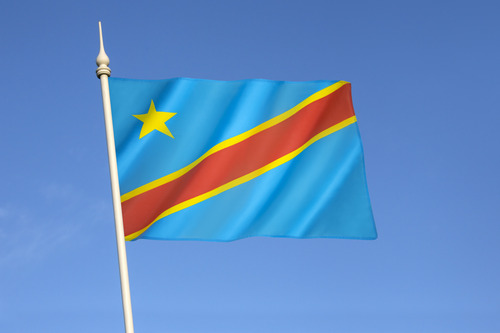
Luba-Katanga, also known simply as Luba, is a Bantu language spoken in the Democratic Republic of the Congo (DRC), particularly in the southeastern region around the Katanga province. Here are some key points about the Luba-Katanga language:
Classification: Luba-Katanga is a member of the Bantu branch of the Niger-Congo language family. It is part of the larger Bantu language group spoken in several countries across Central and Southern Africa.
Geographic Distribution: Luba-Katanga is primarily spoken in the southeastern part of the Democratic Republic of the Congo, in the Katanga province. It is used by the Luba ethnic group and other communities in the region.
Script: Luba-Katanga is typically written using the Latin alphabet. There may be variations in spelling and pronunciation across different dialects and communities.
Cultural Significance: Luba-Katanga is integral to the cultural identity of the Luba people and other communities in the Katanga region. It is used in various aspects of daily life, including communication, cultural expressions, and traditional ceremonies.
Multilingualism: Many speakers of Luba-Katanga are likely to be proficient in more than one language, given the linguistic diversity of the Democratic Republic of the Congo. French is often used in formal and administrative settings.
Oral Tradition: Like many Bantu languages, Luba-Katanga has a strong oral tradition. Traditional stories, folklore, and historical accounts are often passed down orally through generations.
Historical Significance: The Luba people have a rich history, and their language has played a role in shaping their cultural heritage. Luba societies historically had complex political and social structures.
Challenges and Preservation: Like many indigenous languages, Luba-Katanga faces challenges due to factors such as urbanisation, migration, and the influence of dominant languages. Efforts have been made to preserve and promote the language, including initiatives in education and cultural preservation.